On this page
Short answer
Dining chairs, headboards and ottomans get far less wear than a sofa, so they can take fabrics a busy sofa cannot. A home dining chair needs about 15,000 Martindale rubs or more (30,000 or more in a restaurant), a tight weave that copes with spills and a colour that hides marks. A headboard is decorative and needs little abrasion resistance, so velvets, jacquards and textured weaves all work; choose a colour or pattern that hides marks where heads rest.
How much wear each piece gets
| Piece | Wear | Rub count guide |
|---|---|---|
| Headboard | Decorative; touched, rarely rubbed | Under 10,000 rubs is fine |
| Cushions and bed runners | Light | About 10,000 rubs |
| Accent chair or bedroom bench | Light to moderate | About 10,000 to 15,000 rubs |
| Dining chair at home | Moderate: daily, but short sittings | About 15,000 rubs or more |
| Dining chair in a restaurant or cafe | Heavy | 30,000 rubs or more, or the project specification |
See Martindale Rub Test for how the test works, and How to Choose Sofa Fabric for the heaviest-wearing piece in the house.
Dining chairs
- Spills and food. Choose a tight weave in polyester, which absorbs slowly, so spills can be blotted before they soak in. A performance velvet such as YarnGuard PURIFY or REPEL suits a family dining table.
- Colour. Mid-tones, melanges and small patterns hide crumbs and marks; very pale plains show every spill.
- Seat only or full back. A drop-in seat pad is quick and cheap to recover later; a fully upholstered chair uses more fabric and shows more of it.
- Sliding on and off. The front edge of the seat wears first. A tight, flat surface wears more evenly than a loose texture.
Tip
Order one or two extra seat pads' worth of fabric. When a seat gets stained or worn years later, you can recover just that one in a matching colour.
Headboards
- The fabric is the feature. A headboard is a large, flat panel in full view, so it is the place for a rich velvet or a woven pattern.
- Centre the pattern. On a jacquard, place the main motif in the centre of the headboard, and allow extra fabric for it.
- Pile direction. On velvet, run the pile the same way across every panel, usually smoothing downwards, or the colour will look patchy.
- Head-height marks. Hair and skin products mark the area where heads rest. A darker colour, a pattern or a spot-cleanable fabric hides them best.
- Width. A king-size headboard is wider than a standard 140 cm upholstery fabric, so the fabric is either railroaded (turned sideways) or joined with seams, which can be placed to look deliberate.
Good to know
Curtain fabrics can often be used for headboards, cushions and bed runners, because these get little rubbing. Lighter fabrics may need a backing or interlining to sit smoothly over the padding; ask your upholsterer.
Velvets
Velvet is the classic headboard and dining chair fabric: deep colour, a soft hand and no loops to catch. In the JOTEX range:
| Collection | Rubs | Suits |
|---|---|---|
| VELVET, 46 colourways | 20,000 | Headboards, dining chairs at home, cushions |
| CINEMA | 20,000 | Headboards, dining chairs at home, cushions |
| YarnGuard PURIFY, REPEL | 40,000 | Family dining chairs, restaurants and cafes |
See What Is Velvet Fabric? for velvet types and care.
Jacquards
A woven jacquard pattern gives a headboard or cushion depth that a print cannot. The JOTEX jacquards are made as curtain fabrics; MONTI damask and MERCATO herringbone, both rated at 20,000 rubs, also work well for headboards, cushions and bed runners.
For dining chairs in daily use, prefer a fabric made for upholstery. Long floats in a jacquard, where a thread passes over several others to make the pattern, can catch on clothing and buckles. See What Is Jacquard Fabric?.
Textured weaves and chenille
Textured weaves hide marks and suit modern rooms. The textured weaves BLAKE, MARC and VELA, and TEKUSU's OMAKE flat weave and SUZUME texture, are rated at 40,000 rubs, enough for the busiest dining chairs. TEKUSU SHINZU is a chenille at 25,000 rubs, and PRANA a linen-look texture at 20,000.
See the live table of JOTEX fabrics by rub count for every rated collection.
How much fabric
- Drop-in seat pad: a piece about 10 to 15 cm larger than the pad on every side, to wrap underneath.
- Headboard: the width and height of the board plus the depth of the padding on every edge, and enough to wrap behind.
- Patterns: add a full pattern repeat for each piece so the motif can be centred, and match it across a set of chairs.
- Velvet: pieces cannot be turned to save fabric, because the pile must run the same way on every piece.
Allowances vary by upholsterer and design, so confirm the quantity before ordering.
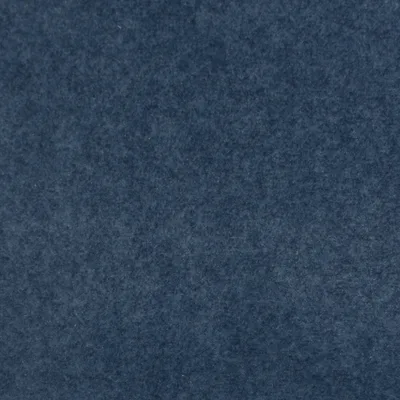
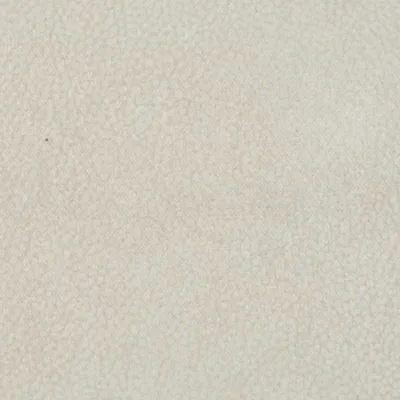
Velvets
JOTEX and YarnGuard velvets, updated from the catalogue. See the velvet fabric page.
Browse velvet fabric →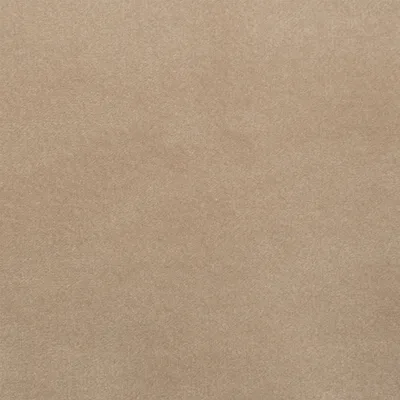

Jacquards for headboards and cushions
Woven-pattern collections, updated from the catalogue. Made as curtain fabrics; check each collection's rub count before using it for seating. See the jacquard fabric page.
Browse jacquard fabric →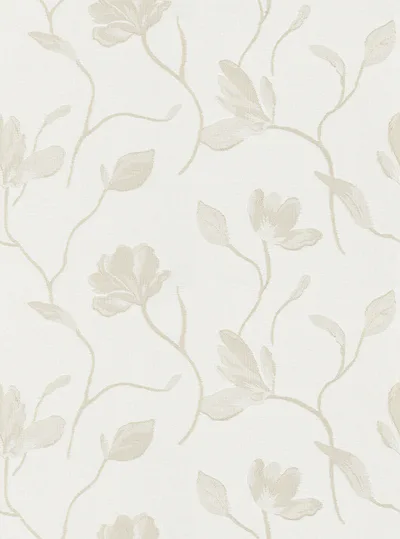
Frequently asked questions
What is the best fabric for dining chairs?
A tightly woven polyester or a performance velvet rated at about 15,000 Martindale rubs or more for a home, and 30,000 or more for a restaurant, in a mid-tone or small pattern that hides marks.
Is velvet good for dining chairs?
Yes. A polyester velvet has no loops to catch, wipes clean if spills are blotted quickly, and gives deep colour. For a busy family table, choose a performance velvet rated at 40,000 rubs.
What rub count do dining chairs need?
About 15,000 Martindale rubs or more at home, and 30,000 or more for restaurants, cafes and other commercial seating, or whatever the project specification says.
What is the best fabric for a headboard?
Velvet, jacquard or a textured weave. A headboard gets little rubbing, so the choice is mainly about look, with a colour or pattern that hides marks where heads rest.
Can I use curtain fabric for a headboard?
Often, yes, because a headboard gets very little wear. Lighter curtain fabrics may need a backing or interlining to sit smoothly over the padding; ask your upholsterer.
How do I clean a fabric headboard?
Vacuum it with an upholstery brush, and blot marks with a slightly damp cloth, testing any cleaner on a hidden area first. Do not soak the padding.
Curtain maker, upholsterer or designer?
Specifications are public on every collection page. JOTEX dealers can log in for live stock and pricing, and our team can send samples or open a dealer account.